Independent services, shared governance
Frontend, backend, and content workloads have distinct responsibilities. API policies provide a common control point for consumers and integrations.

A cloud platform that connects customers, partners, and logistics operations without coupling every service together.
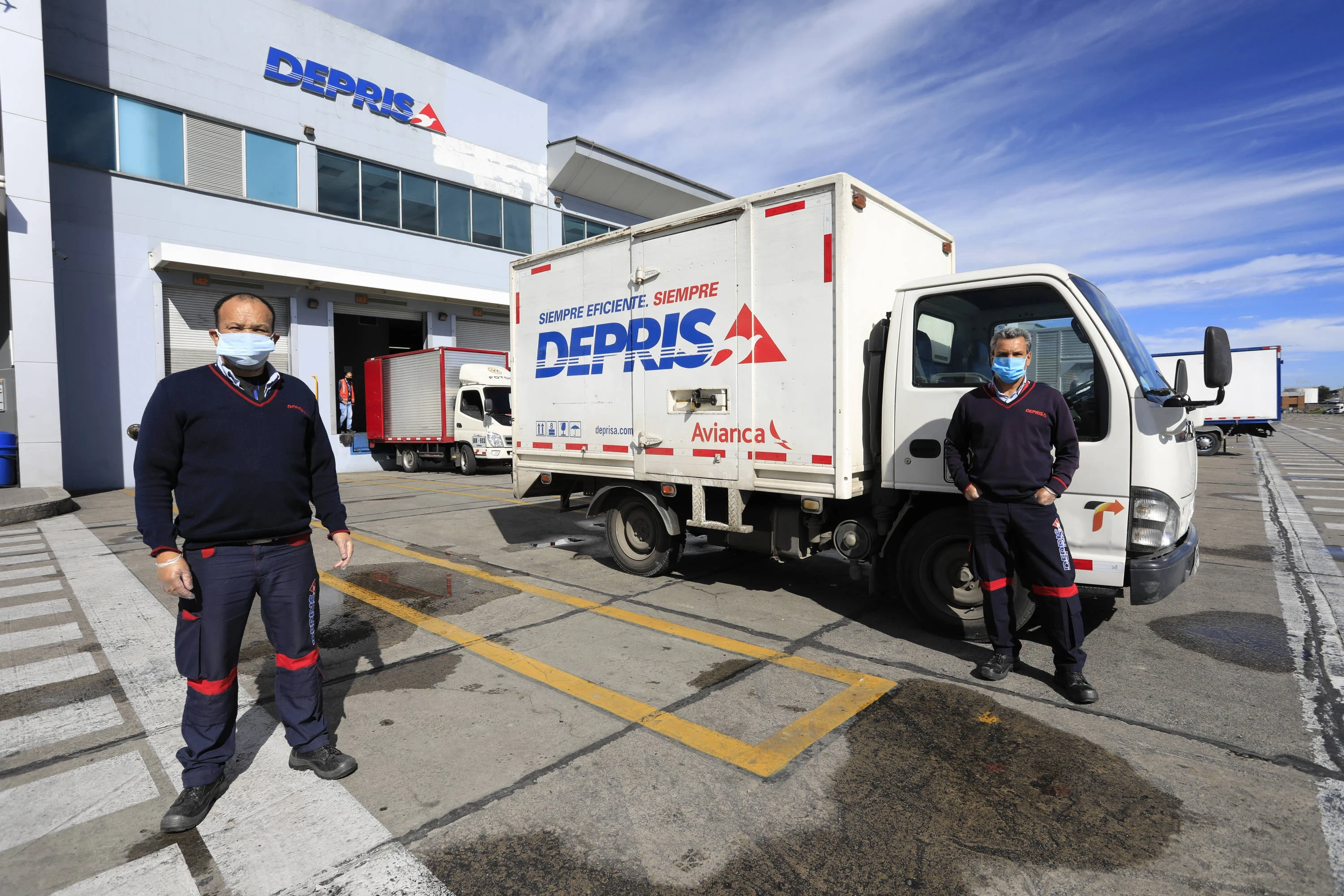
Deprisa’s digital platform connects shipment tracking, quotations, content, and partner integrations. As that ecosystem grew, application logic, access controls, and third-party dependencies needed clearer boundaries. Wagner rearchitected the Azure foundation so the platform could evolve with the business.
We separated presentation from integration, established Azure API Management as the governed entry point, and connected the platform to identity, secrets management, and telemetry. Protected edge services, container delivery, and independent application workloads turned the architecture into an operable cloud platform.
Frontend, backend, and content workloads have distinct responsibilities. API policies provide a common control point for consumers and integrations.
Tracking, shipment events, and quotations are available through focused service contracts, giving web and partner channels a reusable integration layer.
Request correlation, dependency telemetry, health checks, and repeatable QA and production pipelines connect delivery to day-to-day operations.
The objective was to modernize the cloud foundation while keeping Deprisa connected to the logistics systems it already depended on. We needed to separate workloads, govern access, and make failures diagnosable without treating every new channel as another bespoke integration.
Protected ingress, isolated application responsibilities, governed integrations, and a shared operational foundation. Each layer has a clear job and a visible connection to the next.
Edge & perimeter

 Virtual network · Application workloads

API governance

JWT validation · Traffic limits · Transformation
TrackingEventsQuotationsLogistics systems
Identity, data & observability


 Azure DevOps
 Container Registry
The channel calls a governed API. The BFF transforms logistics responses into current shipment status and event history, keeping provider formats out of the presentation layer.
Quotation requests use the same gateway and a dedicated service integration. The backend translates logistics contracts and applies resilience to upstream calls.
The cloud platform, infrastructure, and engineering tools behind the delivery.
 Microsoft AzureAzure Front Door & WAFAzure App ServiceAPI ManagementManaged IdentityKey VaultApplication InsightsAzure DevOpsContainer RegistryAzure MySQLAzure Storage
We traced the application, content, tracking, and quotation dependencies. That map defined the workload boundaries, trust model, and migration sequence for the Azure platform.
We connected edge protection, application hosting, and API governance. The .NET integration layer normalizes logistics responses, while managed identity and Key Vault separate service access from embedded credentials.
Container builds move through QA and production pipelines. Health checks validate deployments, and Application Insights connects application logs to upstream dependencies and request correlation.
Separating presentation, integration, and content reduces the number of places a channel change needs to touch.
Central routing, traffic policies, and identity validation give API consumers a consistent contract and operations a clear control point.
A request needs context across the gateway, application, and logistics provider. Correlation and dependency telemetry belong in the design from the start.
Container registries, deployment pipelines, and post-deploy health checks make the platform repeatable beyond its initial release.
Start with a technical conversation about the infrastructure issues creating risk, instability, or friction for your team.
Talk to an expert