An actionable view of risk
Automated testing and manual validation informed a focused set of findings and a prioritized remediation roadmap.

Understand the risk. Define the response. Build the controls.
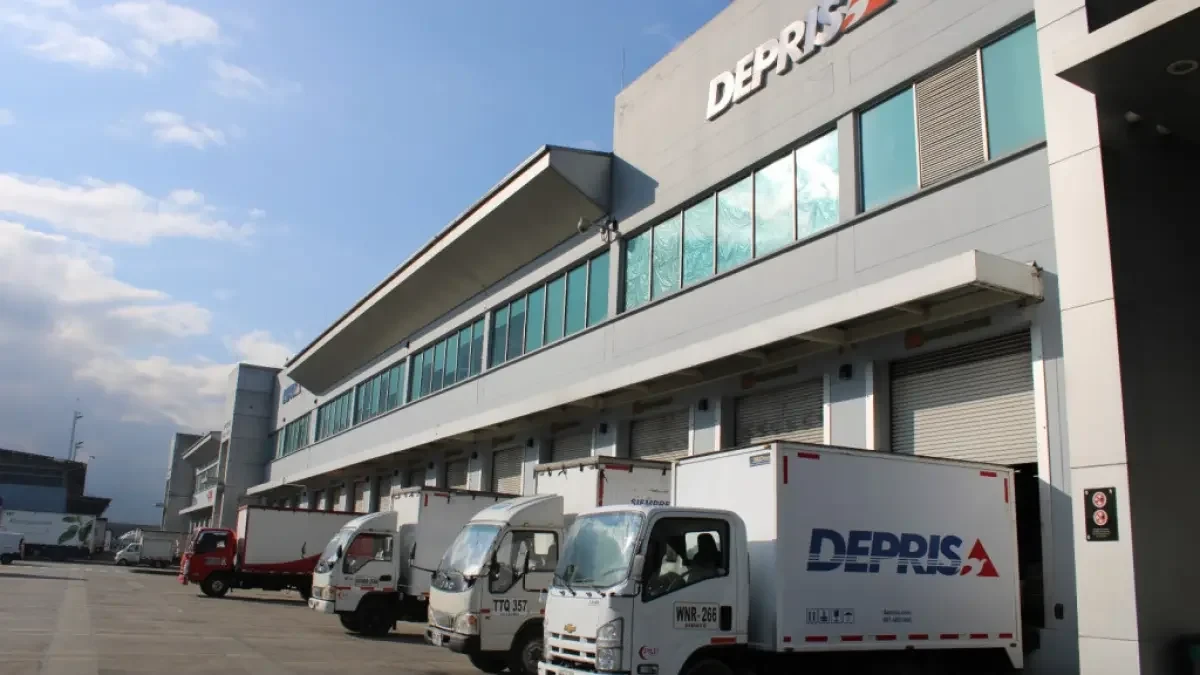
Following a security incident involving shipment tracking, Deprisa needed a technical response connected to the way its web and API services operate. We combined security assessment with API architecture and engineering, translating technical findings into a prioritized response and access controls for shipment information.
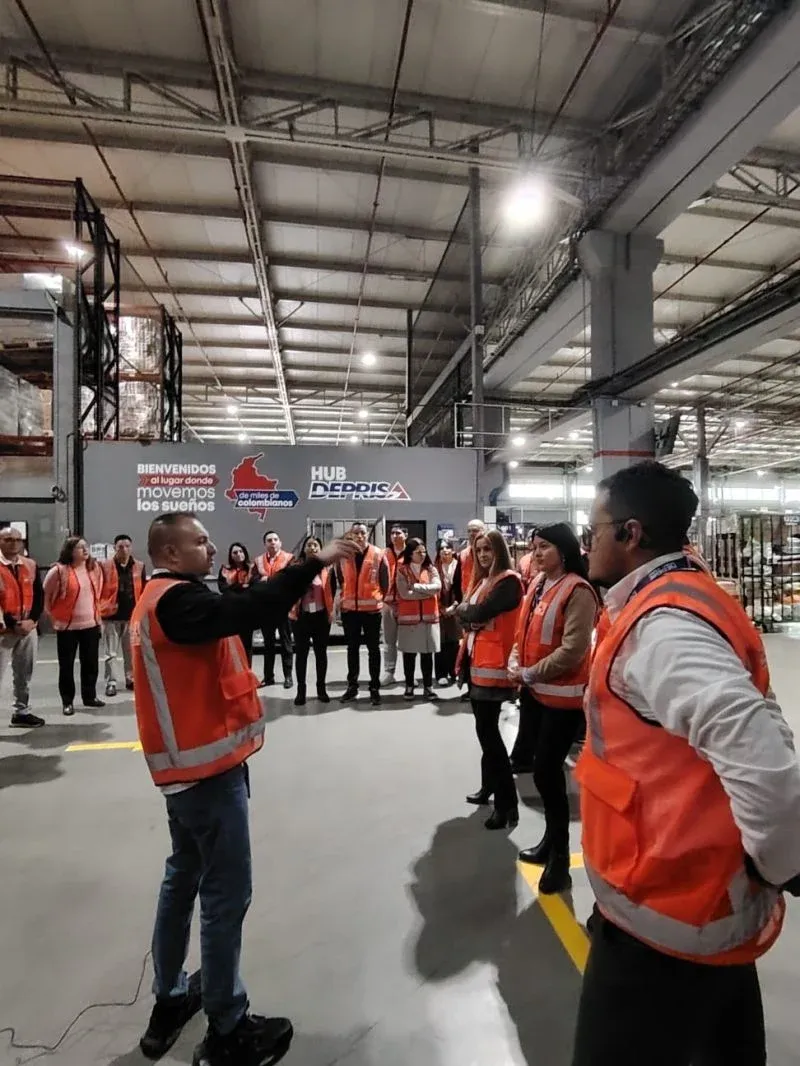
Automated testing and manual validation informed a focused set of findings and a prioritized remediation roadmap.
The integration layer supports one-time-code delivery and verification before returning the associated shipment details.
Managed secret access, configurable authentication, and request correlation bring identity and operational context into the same API architecture.
After the incident, the priority was to translate security evidence into concrete changes to shipment access. The work needed to connect assessment evidence to the architecture, access model, and operational responsibilities behind the services.
Security response works better when the findings, the engineering changes, and the people operating the cloud share the same context.
 Microsoft Azure
The access model distinguishes a basic status request from information that needs identity verification.
The identity flow sends and verifies a one-time code before returning the associated shipment details.
Microsoft AzureWe evaluated the web and API surface using automated security testing and manual validation. The assessment focused on actionable risks and the controls relevant to the environment.
We organized the findings into a remediation roadmap, connecting the most relevant access risks with service hardening and architectural improvements.
We implemented identity-verification service flows in the backend-for-frontend and connected secret management, authentication configuration, and request tracing to the integration architecture.
Start with a technical conversation about the infrastructure issues creating risk, instability, or friction for your team.
Talk to an expert